The Evolution of Glucose Testing in Clinical Settings
If you've been in healthcare for any length of time, you've witnessed the remarkable evolution of diabetes diagnostics. I've spent years observing how glucose tolerance testing has transformed from basic blood draws to sophisticated diagnostic protocols. The landscape in 2025 has changed dramatically, with new technologies making testing more accurate and patient-friendly than ever before.
Recent innovations have revolutionized how we approach glucose tolerance testing. You might remember the days of multiple venous blood draws and long waiting periods. Now, we have continuous monitoring systems that provide real-time data during the test. This advancement allows you to observe glucose fluctuations with unprecedented detail.
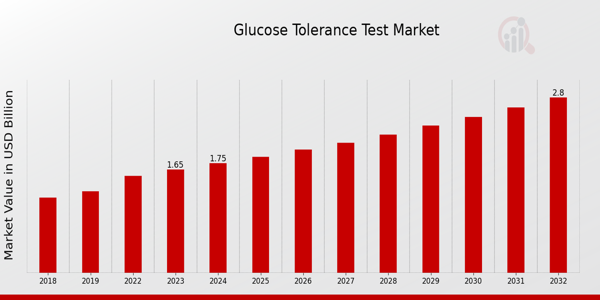
The core function remains the same. You still assess how efficiently a patient's body processes glucose. But the methodologies and interpretations have become much more nuanced and precise.
Critical Updates to Testing Protocols That Matter
Have you updated your clinic's testing protocols recently? You should know several important changes have been implemented in 2025. The standardization of testing procedures has become more stringent, with specific timing requirements for sample collection.
I find the new pre-test preparation guidelines particularly important. You must ensure patients follow fasting protocols strictly. The recommended fasting period has been extended to 10-12 hours for maximum accuracy. Water consumption is still permitted, but the guidelines now specify avoiding caffeinated beverages for 24 hours before testing.
The interpretation thresholds have also been refined. You'll need to be aware of these updated diagnostic criteria:
- Fasting plasma glucose values have more specific ranges for prediabetes identification
- Two-hour post-load glucose thresholds now consider age-specific variations
- Continuous monitoring data now includes variability analysis as a diagnostic component
- Pediatric reference ranges have been completely revised based on new population studies
- Gestational diabetes screening now includes additional time points for more precise diagnosis
Advanced Technology Integration in Modern Testing
You might be surprised by how technology has transformed glucose testing. I'm particularly impressed with the integration of artificial intelligence in result interpretation. AI algorithms now analyze test results alongside patient history to provide risk stratification data.
Continuous glucose monitoring during tolerance tests has become the gold standard. You can now visualize the complete glucose response curve rather than isolated data points. This gives you invaluable insights into glucose dynamics.
Remote monitoring capabilities allow patients to complete tests with minimal in-person interaction. You can supervise the process virtually, receiving real-time data while the patient remains at home. This has significantly improved accessibility to testing.
Point-of-care devices have achieved remarkable accuracy levels. You can now perform tests in community settings with confidence in the results. The margin of error has decreased to near-laboratory levels.
Clinical Application Guidelines for Different Patient Populations
When applying glucose tolerance testing across diverse patient groups, you need specialized approaches. I've found that tailoring the testing protocol to the specific population yields much more actionable results.
For geriatric patients, you should consider modified administration protocols. Reduced glucose loads and extended monitoring periods account for age-related metabolic changes. The interpretation criteria differ significantly from standard adult guidelines.
Pediatric testing now focuses on early identification of risk factors. You'll need to familiarize yourself with the revised pediatric-specific reference ranges that account for developmental stages.
Pregnant patients require vigilant monitoring with specialized timing. The multi-point testing procedure has been refined to improve gestational diabetes detection rates.
Here's a comparison of testing approaches across different patient populations:
| Patient Population | Glucose Load | Sampling Schedule | Key Monitoring Parameters | Special Considerations |
|---|---|---|---|---|
| Standard Adult | 75g | 0, 1, 2 hours | Peak glucose, 2-hour value | Standard fasting protocol |
| Geriatric | 50g | 0, 1, 2, 3 hours | Glucose curve, recovery time | Extended recovery monitoring |
| Pediatric | Weight-based | 0, 1, 2 hours | Peak response, recovery pattern | Age-specific reference ranges |
| Pregnant | 75g | 0, 1, 2, 3 hours | All timepoints equally weighted | Positioning considerations |
| High-Risk | 75g | 0, 0.5, 1, 1.5, 2 hours | Early response pattern, variability | Additional metabolic markers |
Interpreting Results Through a Modern Clinical Lens
You need to approach result interpretation differently in 2025. I've noticed that the most effective clinicians now look beyond simple threshold values to examine the complete glucose response pattern.
The shape of the glucose curve provides critical diagnostic information. You should pay special attention to the rate of rise, peak timing, and recovery trajectory. These dynamical features often reveal metabolic abnormalities before threshold values are exceeded.
Integrated risk assessment models now combine glucose results with other biomarkers. You can generate comprehensive metabolic health profiles that predict future disease progression with remarkable accuracy.
Continuous monitoring data requires specialized interpretation skills. You'll need to analyze variability metrics and pattern recognition to fully utilize this rich information source.
Regulatory Considerations and Documentation Requirements
Are you keeping up with the latest regulatory changes? You should be aware that documentation requirements have become more stringent in 2025. Detailed records of test procedures, including timing verification, must be maintained.
Quality control protocols now demand regular calibration verification. You must document all calibration activities and maintain traceability records for audit purposes.
Patient preparation verification has become a mandatory documentation element. You need to confirm and record that proper fasting and preparation protocols were followed before proceeding with testing.
Digital result storage requires appropriate security measures. You must ensure compliance with updated data protection regulations specific to diagnostic testing.
Conclusion: Embracing the Future of Glucose Tolerance Testing
As we navigate through 2025, glucose tolerance testing continues to evolve rapidly. You have access to unprecedented diagnostic precision through technological innovation and refined protocols. I encourage you to stay current with these developments to provide optimal patient care.
The integration of AI, continuous monitoring, and personalized interpretation represents a significant advancement in diabetes care. You play a crucial role in implementing these improved diagnostic approaches in clinical practice.
By adopting these modern testing methodologies and interpretation strategies, you can significantly enhance early detection and management of glucose metabolism disorders. The future of diabetes diagnosis is here, and it's more precise, accessible, and patient-centered than ever before.
Comments
Post a Comment