You know phenylephrine hydrochloride. It’s a common decongestant. But, things are changing. New applications and safety updates are emerging. Let’s break it down, shall we? This impacts everything from patient care to procurement.
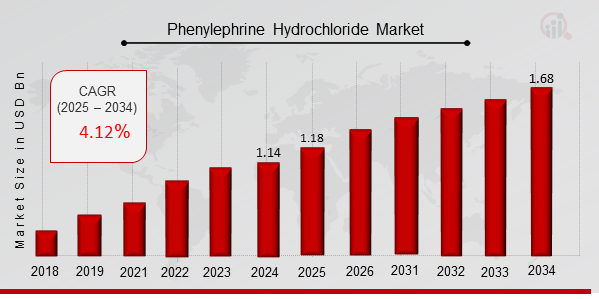
The Phenylephrine Hydrochloride Market, estimated at USD 1.14 billion in 2024, is projected to reach USD 1.68 billion by 2034, growing at a CAGR of 4.01%. Increasing usage of decongestants in cold and flu treatments is driving market expansion.
Latest Clinical Applications and Safety Updates
The focus is shifting. We see more research into specific patient populations. Think about those with comorbidities. Safety is paramount, of course. Personalized medicine is a key driver. This is not just about general use anymore.
- Enhanced monitoring protocols are being developed.
- Specific dosage adjustments are being studied.
- Interaction with other medications is under scrutiny.
- Long-term effects are a critical area of research.
This demands closer attention to patient history. We must consider individual risk factors. The goal? Optimized patient outcomes.
Innovations in Phenylephrine Hydrochloride Formulations
New delivery methods are being explored. Think beyond standard nasal sprays. Could we see more targeted approaches? Perhaps transdermal or sublingual options? These advancements aim for better absorption. Improved patient compliance is also a goal.
Regulatory Changes and Sustainability Initiatives
Regulatory landscapes are shifting. We must adapt to new guidelines. Sustainable manufacturing is gaining traction. This has implications for procurement. Green chemistry is a growing priority.
AI-Driven Insights and Predictive Analytics
AI is changing healthcare. Predictive analytics are being applied here. This helps in identifying at-risk patients. It also helps in optimizing treatment protocols. Data-driven decisions are becoming the norm.
Phenylephrine Hydrochloride: A Comparative Overview
Here's a quick comparison of key aspects:
| Feature | Current State | Potential 2025 Developments |
|---|---|---|
| Delivery Methods | Primarily nasal sprays | Targeted delivery, transdermal, sublingual options |
| Safety Profiles | General guidelines, some population concerns | Personalized risk assessment, enhanced monitoring protocols |
| Regulatory | Existing standards, ongoing reviews | Updated guidelines, focus on sustainability, stricter quality control |
| AI Application | Limited use | Predictive analytics, optimized treatment protocols, risk assessment |
| Clinical Focus | General decongestion | Specific patient populations, comorbidities, personalized medicine |
This table provides a snapshot of the changes. You can see the shift towards precision. It's about more than just symptom relief.
The Truth About Phenylephrine Hydrochloride in 2025
Let's be clear. It’s still a valuable medication. However, its use is becoming more refined. We need to be aware of the latest findings. Staying informed is essential for best practice.
You, as a healthcare professional, play a vital role. Your decisions impact patient lives. Keep researching and asking questions. Together, we can navigate the future of phenylephrine hydrochloride.
In conclusion, understanding the evolving landscape of phenylephrine hydrochloride is essential. The latest developments, especially those projected for 2025, show a clear trend towards personalized medicine, enhanced safety, and innovative delivery methods. By staying informed and adapting to these changes, healthcare professionals can ensure optimal patient outcomes and contribute to the advancement of medical practice.
Related Trending Reports for You-
Comments
Post a Comment