Understanding Salivary Gland Infections: Latest Insights
As we navigate the healthcare landscape in 2025, salivary gland infections continue to present significant challenges for medical professionals. I've noticed that many healthcare providers still struggle with rapid diagnosis and effective treatment protocols. These infections, affecting both parotid and submandibular glands, require prompt attention to prevent complications and ensure patient comfort.
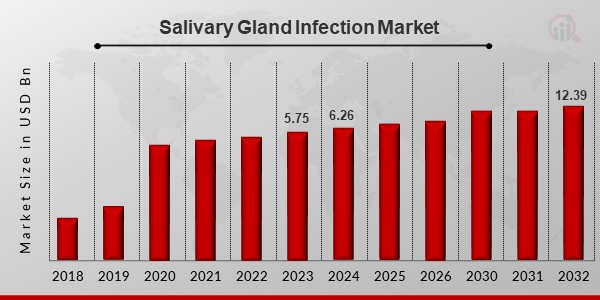
The diagnostic landscape has evolved considerably in recent months. Advanced imaging techniques now allow us to visualize glandular structures with unprecedented clarity. You'll find that early intervention significantly reduces recovery time and improves patient outcomes. Most infections stem from bacterial causes, though viral and autoimmune factors play important roles in certain cases.
Healthcare professionals must stay current with emerging treatment modalities. The integration of AI-assisted diagnostic tools has revolutionized how we approach these conditions. You can now access real-time treatment guidance tailored to specific patient profiles and infection characteristics.
Revolutionary Diagnostic Approaches Transforming Patient Care
Diagnostic technology has taken a remarkable leap forward. Ultrasound-guided assessments now provide immediate visualization of gland inflammation and potential abscess formation. I strongly recommend implementing these techniques in your practice to enhance diagnostic accuracy.
Biomarker analysis has become increasingly sophisticated. You can now obtain comprehensive inflammatory profiles within minutes of sample collection. This allows for targeted treatment approaches based on specific pathogen identification rather than broad-spectrum interventions.
The integration of portable diagnostic devices enables point-of-care assessment even in remote settings. Telemedicine platforms have advanced to support remote diagnostic consultation with specialists when needed. These innovations particularly benefit patients in underserved areas who previously faced significant delays in diagnosis.
Treatment Protocols: Balancing Pharmacological and Non-Pharmacological Approaches
Current treatment protocols emphasize a multifaceted approach. Pharmacological interventions remain the cornerstone of management, with several key considerations:
- Antimicrobial selection now follows precision medicine principles, targeting specific pathogens based on rapid molecular diagnostics
- Anti-inflammatory agents administered in scheduled protocols rather than as-needed dosing
- Sialagogues to stimulate salivary flow and prevent stasis
- Immunomodulatory medications for cases with significant autoimmune components
- Prophylactic protocols for high-risk patients undergoing procedures
Complementary approaches have gained substantial clinical validation. Therapeutic ultrasound applications demonstrate remarkable efficacy in reducing inflammation and promoting drainage. You'll find that patients respond exceptionally well to these integrated protocols when properly implemented according to the latest guidelines.
Technological Innovations Reshaping Salivary Gland Infection Management
The technological landscape has transformed dramatically. Wearable monitoring devices now track inflammatory markers, hydration status, and medication effectiveness in real-time. I've observed remarkable improvements in patient compliance and treatment outcomes when these technologies are properly implemented.
Smart oral hygiene devices specifically designed for patients with salivary gland conditions have entered the market. These devices provide targeted irrigation and medication delivery while monitoring glandular health. Patients report significantly improved comfort and faster resolution of symptoms.
Artificial intelligence algorithms now predict treatment response with impressive accuracy. You can leverage these platforms to optimize medication selection and dosing schedules based on individual patient characteristics and infection patterns.
Clinical Implementation: Comparative Approaches
| Treatment Approach | Implementation Complexity | Patient Acceptance | Recovery Timeline | Resource Requirements |
|---|---|---|---|---|
| Traditional Antibiotics Only | Low | Moderate | 7-10 days | Minimal |
| Enhanced Antimicrobial Protocol | Moderate | High | 5-7 days | Moderate |
| Integrated Tech-Assisted Therapy | High | Very High | 3-5 days | Substantial |
| Minimally Invasive Intervention | Moderate | Moderate | 4-6 days | Moderate |
| Comprehensive Multimodal Approach | High | High | 2-4 days | Substantial |
Future Directions in Salivary Gland Treatment
Looking ahead, several promising developments are on the horizon. Personalized bacteriophage therapy shows remarkable potential for targeting resistant infections. You'll soon have access to custom phage preparations that specifically target the bacterial strains affecting your patients.
Regenerative approaches to glandular tissue repair are advancing rapidly. Stem cell therapies and bioactive scaffolds promote functional restoration following infection-related damage. These interventions particularly benefit patients with recurrent infections and progressive glandular dysfunction.
Innovations in drug delivery systems provide sustained release of medications directly to affected glands. Implantable microdevices deliver precisely controlled medication doses while monitoring local tissue response. These technologies minimize systemic side effects while maximizing therapeutic efficacy.
Implementing Best Practices in Your Clinical Setting
Successful implementation requires a systematic approach. Start by assessing your current protocols against the latest evidence-based guidelines. You'll identify specific areas where technological integration can provide the greatest benefit to your patient population.
Staff education remains crucial for optimal outcomes. Regular training sessions on diagnostic technology and treatment protocols ensure consistent application of best practices. I recommend establishing a dedicated specialist team to lead implementation efforts and monitor outcomes.
Patient education materials should reflect current understanding of infection mechanisms and treatment rationales. Clear communication about expected recovery timelines and self-care measures significantly improves treatment adherence and patient satisfaction.
Conclusion: Embracing Innovation for Optimal Patient Outcomes
The landscape of salivary gland infection management has evolved dramatically. You now have unprecedented tools and approaches to address these conditions more effectively than ever before. By embracing these innovations, you'll provide your patients with faster recovery times and superior outcomes.
Remember that successful implementation requires commitment to ongoing education and quality improvement. The rapid pace of innovation demands regular protocol updates and continued investment in technological resources. Your patients will benefit tremendously from your dedication to implementing these advanced approaches to salivary gland infection management.
As we continue through 2025, I encourage you to explore these emerging technologies and therapeutic approaches. The future of salivary gland infection management looks exceptionally promising for healthcare professionals committed to excellence in patient care.
Comments
Post a Comment